
Dental Sedation: Why It Helps More Than Most People Realize
Dental anxiety is far more common than people admit, and it can make even simple appointments feel overwhelming.
So our team spends a lot of time helping patients understand the options that make care feel calm, safe, and predictable. Sedation isn’t about “knocking you out.” It’s about creating an experience where your body can relax, and your mind can breathe.
Once you know the differences between each type, the path forward usually becomes much clearer.
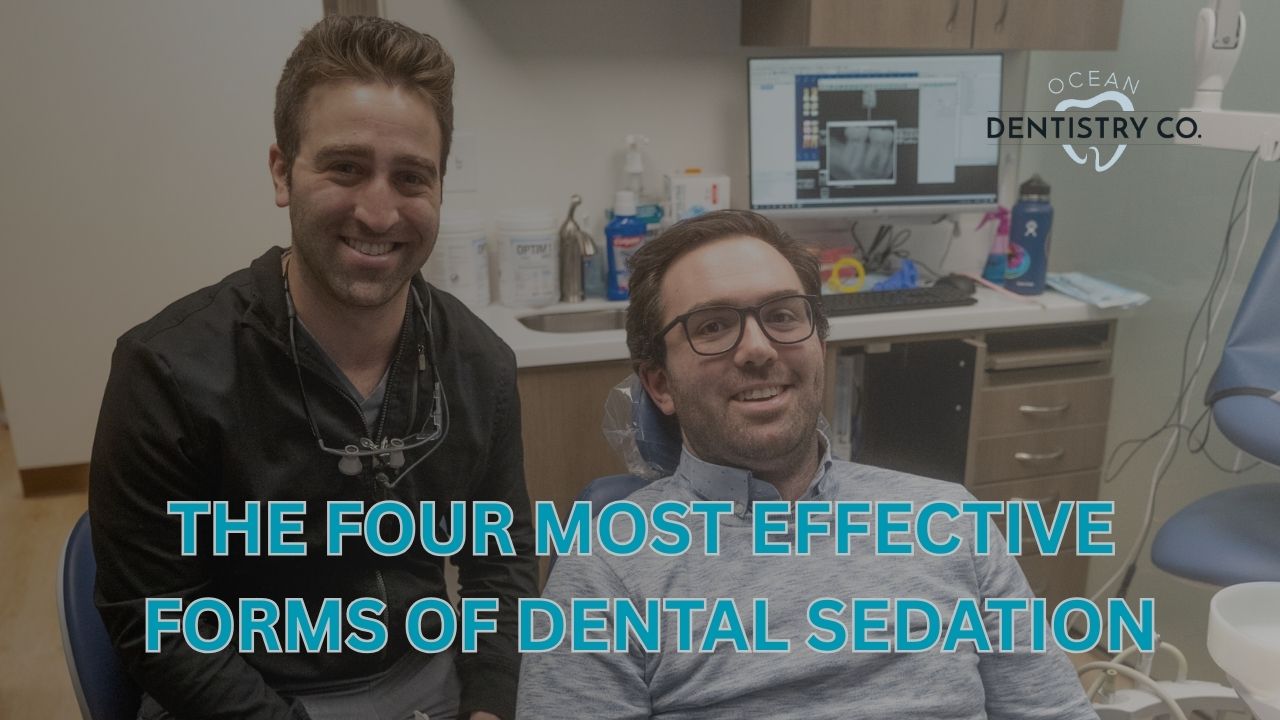
Key Takeaways
- Why Sedation Dentistry Matters
- Four most effective sedation options
- How We Decide Which Option Is Right for You
- What to expect before and after
Why Sedation Dentistry Matters
Here’s the thing: comfort shapes the entire dental experience. When your body is tense, everything feels harder like breathing, sitting still, trusting the process.
That’s why our doctors and hygienists talk openly about sedation during consults. We’ve seen how the right option can turn years of dental fear into a feeling of control and relief.
Sedation isn’t only for anxious patients. It also helps anyone with a strong gag reflex, trouble getting numb, past trauma, or sensitivity to sounds and smells.
Four most effective sedation options
Nitrous Oxide (Laughing Gas)
Nitrous oxide is the lightest level of sedation, and it’s often the first option we recommend. A small mask sits comfortably over your nose while you breathe in a blend of oxygen and nitrous. Within minutes, most patients describe a warm, floaty calm feeling, but you’re fully awake, fully aware, but not stressed.
It wears off quickly. You can drive home afterward, go back to work, and continue your day without downtime. Our hygienists use it often during cleanings and periodontal visits when patients want a little extra comfort.
Best for: mild anxiety, children, short visits, patients wanting zero recovery time.
Oral Conscious Sedation
Oral sedation is our stronger, pill-based option, providing a deeper sense of calm that settles in before you ever reach the chair.
You’re still awake and able to answer when our team checks in, but your body feels heavy, grounded, and blissfully unfocused on everything happening around you. Most patients describe it as the first time they’ve ever felt genuinely relaxed in a dental office.
This approach is especially helpful for longer visits or for patients who’ve struggled to get through treatment in the past because fear took over. The calming effect lasts for a few hours, so you’ll need a driver afterward, but the experience itself is smooth, quiet, and emotionally lighter.
Best for: moderate anxiety, longer procedures, and anyone who wants the visit to feel slower, softer, and easier to process.
IV Sedation
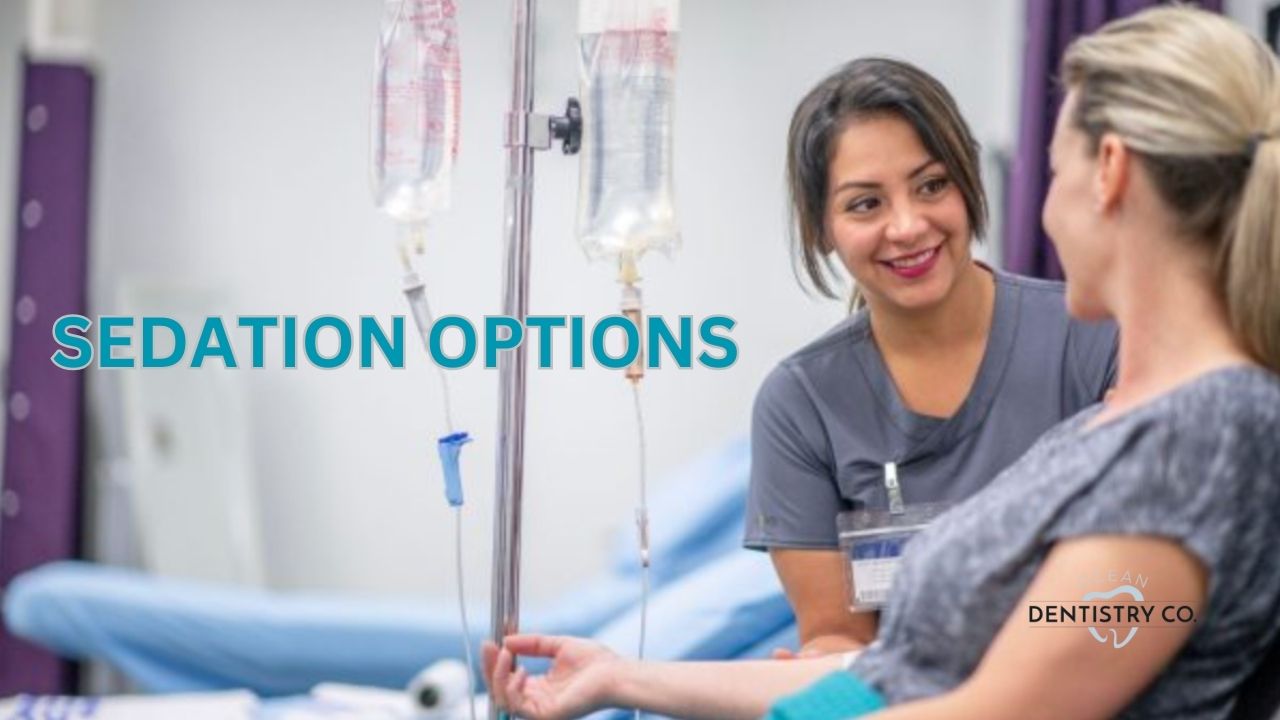
IV sedation is one of the most effective ways to help patients who experience more significant dental fear. Medication is delivered through a small IV line, which allows us to adjust the sedation level in real time for maximum comfort.
Most patients describe the visit as feeling like it passed in a moment. You’re still breathing on your own and able to respond, but your memory of the appointment is usually minimal.
Our doctors use IV sedation for complex restorative care, surgical procedures, and situations where patients want a smooth, peaceful experience from start to finish.
Best for: severe anxiety, surgical treatments, patients wanting limited memory of the visit.
General Anesthesia
General anesthesia is the deepest level of sedation we use, and while it isn’t needed often, it’s an essential option for the right situations.
With this approach, you’re fully asleep, and our anesthesia partners stay focused on every vital sign, including airway, breathing, heart rate, and overall stability throughout the entire procedure.
It creates a controlled, predictable environment where your body can stay completely relaxed while our doctors work.
We typically reserve general anesthesia for extensive surgical cases, patients with complex medical needs, or individuals who simply cannot tolerate treatment under lighter forms of sedation.
It does require planning and a safe recovery window afterward, but for the patients who need it, it’s the most reliable path to comfortable, successful care.
Best for: extensive surgical treatments, complex health considerations, and patients who aren’t able to complete care with other sedation options.
How We Decide Which Option Is Right for You
We never rush this conversation. Our doctors walk through your medical history, your past dental experiences, and exactly what makes treatment stressful for you. We will help evaluate the sensitivity of your gums and bite, and our front office team will go over the practical details, such as timing and preparation.
Every sedation plan is individualized. Patients often start with nitrous, get a sense of what genuine relaxation feels like, and later decide that oral sedation or IV sedation gives them the extra comfort they were missing. It’s a process of learning what your body responds to, and we guide you through it step by step.
What To Expect Before and After
When we plan sedation, the goal is simple: you should feel prepared, calm, and never rushed. Nothing about this process should feel mysterious. Here’s exactly what to expect on your way in and on your way out.
Before Sedation: Your Check-In Steps
A quick conversation with our team
We walk you through the plan one more time. What we’re doing, why we’re doing it, and how you can expect to feel. You can ask anything. There’s no such thing as a small or annoying question.
We review your health and medications
Our team always double-checks your medical history the day of the appointment.
Not because we expect anything to change, but because safety deserves that extra moment of attention.
We confirm you haven’t eaten or had anything to drink
For most types of sedation, you’ll need an empty stomach. If something slipped your mind that morning, just tell us. We’ll adjust with no judgment.
We get you settled and comfortable
You’re not rushed into the chair. We give you a warm blanket, adjust the headrest, make sure you can breathe comfortably, and only then do we begin. We also have TVs on the ceiling so you can watch your favorite show while getting your treatment.
You’ll feel the sedation ease in, not hit you
- Most patients describe it as a soft wave of relaxation
- You’re still aware, but the edge comes off
- Your shoulders drop. Your breathing settles
- That’s exactly how it should feel
After Sedation: Your Check-Out Steps
We give you all the time you need to wake up.
There’s no timer. You stay in the chair or recovery area until you feel steady and clear. Our team checks in with you, not just clinically but as a human being.
Someone you trust must drive you home
You’re going to feel relaxed and maybe a little floaty. That’s normal. But you won’t be safe to drive, so we make sure your ride is present and understands any instructions.
You’ll leave with simple, written instructions
- Nothing complicated
- When to eat. What to avoid
- How to keep the area clean
- And when to reach out to us
We genuinely want you to call if something doesn’t feel right.
Expect to rest for the rest of the day
- Most people nap, watch a show, or just lie low
- You may remember parts of the appointment, or none of it at all
- Both are completely normal
The next day, you should feel like yourself again
- Clear-headed. No grogginess
- If you feel off in any way, let our team know
- We’d always rather hear from you early than leave you wondering
The Bottom Line
The four most effective forms of dental sedation, nitrous oxide, oral conscious sedation, IV sedation, and general anesthesia, each play a distinct role in helping patients feel safe and supported.
What matters most is choosing the level that lets your body settle, your mind soften, and your appointment feel genuinely manageable. For many patients, finding the right sedation option becomes the turning point, the moment dental care finally feels doable again.
Whenever you’re ready, our team is here to make your next step in dental care feel calmer, easier, and far more doable than you ever expected.
Ocean Dentistry Co.

Dr. Gamburg is a trusted family, cosmetic, restorative, and implant dentist in Ocean Township, NJ, serving patients at Ocean Dentistry Co. in Oakhurst. A Rutgers School of Dental Medicine graduate, Dr. Gamburg completed his General Practice Residency at Jersey Shore University Medical Center and advanced training in dental implants through the NYU College of Dentistry Postgraduate Implant Program.
Dedicated to providing exceptional dental care, Dr. Gamburg offers a full range of services, including preventive dentistry, smile makeovers, restorative treatments, dental surgery, and implant dentistry. He continues to expand his expertise through regular continuing education and active involvement in professional organizations, including the American Dental Association, the Academy of General Dentistry, and the New Jersey Dental Association.
Fluent in Hebrew and conversational in Russian and Spanish, Dr. Gamburg connects with patients from diverse backgrounds. Known for his warm approach and focus on patient comfort, he is committed to making every visit a positive experience. Whether you need routine care or advanced treatment, Dr. Gamburg and Ocean Dentistry Co. provide compassionate, high-quality dentistry for families in Oakhurst and the greater Jersey Shore community.